

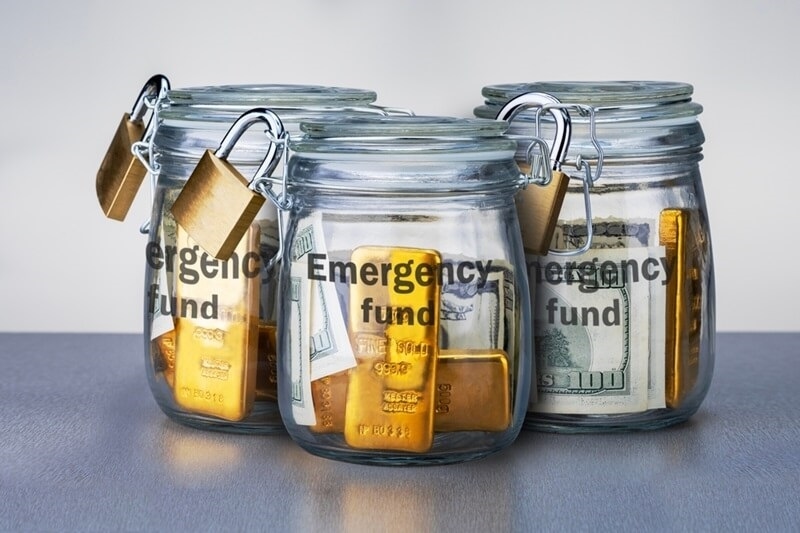
Life has a way of surprising us, sometimes in the best of ways, sometimes with challenges we never saw coming. Whether it's a sudden job loss, medical bill, or car repair, unexpected expenses can shake up even the most stable financial situations. This is why creating an emergency savings fund isn't just a good idea, but a necessity.
An emergency savings fund acts as one's financial cushion, helping him or her stay afloat during those money emergencies. Instead of resorting to high-interest credit cards or loans, you will have access to your own safety net. In this guide, we will break down how to build a strong emergency savings fund, how much you really need, and practical tips to stay consistent with your savings goal and savings account.
Before you can learn how to create one, it's important to understand why an emergency savings fund is so vital.
Anyone would have difficulty covering an unexpected expense of $400 without borrowing or selling something. That is a staggering number and just one of many reminders that financial security often comes down to preparation, not income level.
Having emergency savings helps you:

An emergency savings fund is essentially your first line of defense against life's financial curveballs. It's your financial cushion when life gets rough.
Not every unplanned expense should tap into your emergency savings. The only things that should be dipping into this fund are true money emergencies-situations that put your financial stability or daily living in jeopardy.
Examples of true unexpected expenses include:
On the other hand, non-emergencies, for example, upgrading your phone, booking a vacation, or impulse shopping, do not count. You should make sure the boundaries are clear so that your emergency savings will be available whenever you really need it.
Your savings goals should depend on your lifestyle, monthly expenses, and dependents. Financial experts generally recommend setting aside three to six months’ worth of living expenses in your emergency savings fund.
For instance:
As the level of your income increases, continue adjusting your savings goal upwards until you reach that comfortable goal that would provide peace of mind.
Where you keep your emergency savings matters just as much as how much you save. The ideal savings account for your emergency fund should be:
Some people prefer to put their emergency savings in a money market account or even a short-term CD, but first make sure that you can still access your funds without penalties if an emergency arises.
The easiest way to reach your savings goal is to make saving automatic. When you “pay yourself first,” you ensure that your emergency savings grow regularly, rather than relying on motivation. Set up automatic transfers from your checking account to your savings account each payday. Automation takes the willpower out of the process and helps your financial cushion build up steadily over time.
Small changes to your lifestyle can make a big difference when money is tight and freeing it up for emergency savings is hard. Scrutinize your monthly expenses and cut where you can without sacrificing your quality of life.
Consider these examples:
Redirect those savings directly into your savings account. Even an extra $100 a month can add up to $1,200 a year, and that's a solid start toward your savings goal and financial cushion.
Sometimes, cutting back isn't enough-especially if you're living paycheck to paycheck. In that case, focus on increasing your income so that it accelerates the growth of your emergency savings.
Practical ideas include, but are not limited to:
Use any extra earnings to pad your savings account and move closer to the savings goal. A strong financial cushion builds faster when both sides-spending and income—work in your favor.
A common mistake many make is combining their emergency savings with the other financial goals. Your emergency savings fund should never be treated like a travel fund or down-payment account.
To maintain discipline:
Keeping your emergency fund separate ensures that the money is always available for true sudden expenses.
Your financial situation will change, and your emergency savings plan should too. Key life events such as getting married, having children, purchasing a house, or switching careers may alter your savings target.
Check in on your emergency savings every six months to:
This keeps your financial cushion current and effective, no matter how your life may change.
Reaching your savings goal — even partially — deserves recognition. It is not easy to build an emergency savings fund amidst increasing living costs and financial pressures in the United States today.
Celebrate milestones such as:
Recognizing your efforts will help you stay motivated to keep up the financial cushion over time.
Building an emergency savings fund is not all about the money; it's about peace of mind. You know, when life throws a curveball at you, you are ready. You won't have to panic, swipe your credit card, or borrow from a friend. Remember, the best time to start building your emergency savings was yesterday—but the next best time is now.
This content was created by AI